22nd July 2026

UK Cold Chain Automation: How Smart Technology is Transforming Cold Storage Operations

The UK cold chain is under increasing pressure.

Energy costs remain high. Labour shortages continue to impact warehouse operations. Customer expectations are growing, while retailers and suppliers demand faster fulfilment, greater accuracy and complete traceability throughout the supply chain.

At the same time, cold storage operators are expected to maintain strict temperature control, protect product integrity and comply with increasingly demanding regulations.

For many businesses, these challenges create a difficult balancing act.

How do you increase capacity without increasing headcount? How do you improve productivity without compromising food safety? How do you reduce operating costs while maintaining service levels?

For many operators across the UK cold chain, the answer lies in automation.

From automated warehouse systems and robotics to IoT monitoring and intelligent energy management, smart technology is helping cold storage facilities improve efficiency, reduce costs and future-proof their operations. With the global cold chain automation market expected to surpass $2 billion by 2030 (Interact Analysis), the pace of change is accelerating.

This is why some of the UK’s largest logistics and distribution operators are investing heavily in automation. As highlighted in our recent automated warehouse picking system case study for Aldi’s Bardon Distribution Centre, automation is helping businesses increase throughput, improve operational efficiency and support future growth. While not a cold storage facility, the operational challenges are remarkably similar to those faced throughout the UK cold chain.

Behind every successful automation project sits one critical component: the electrical infrastructure that powers it.


UK cold chain automation

Why Automation Matters in the UK Cold Chain

The UK cold chain faces challenges that traditional warehouse environments do not.

Maintaining chilled and frozen environments requires significant energy consumption. Recruiting and retaining staff can be difficult due to demanding working conditions. Equipment failures can have major financial consequences, while downtime can disrupt entire supply chains.

With UK cold storage demand now reaching 4.3 million cubic metres (Cold Chain Federation, 2024), operators need solutions that scale without proportional increases in cost or headcount.

Automation helps operators address these challenges by reducing reliance on manual processes and improving operational visibility.

Key benefits of UK cold chain automation include:

  • Reduced labour dependency
  • Improved storage density
  • Increased throughput
  • Lower operating costs
  • Improved inventory accuracy
  • Better product traceability
  • Reduced energy consumption
  • Enhanced operational resilience
  • Greater scalability for future growth

As demand for chilled and frozen products continues to increase, automation is rapidly becoming a necessity rather than a competitive advantage.

Automated Storage and Retrieval Systems in the UK Cold Chain

Automated Storage and Retrieval Systems (ASRS) are transforming warehouse operations across the UK cold chain.

Solutions such as AutoStore, Dematic and Swisslog allow products to be stored, retrieved and moved automatically, reducing the need for workers to operate within temperature-controlled environments.

For operators, the advantages are substantial. Storage capacity can often be increased without expanding the building footprint. Picking accuracy improves. Throughput increases. Labour requirements reduce.

However, these systems place significant demands on electrical infrastructure.

Key considerations include:

  • Power distribution capacity
  • Harmonic filtering
  • Power quality management
  • UPS protection
  • PLC integration
  • Communications networks

Without the correct electrical design and integration, even the most advanced automation systems can suffer from reliability issues and costly downtime.

IoT and Connected Cold Storage

Visibility has become one of the most valuable assets within the modern UK cold chain.

Operators want access to real-time information about temperatures, energy consumption, equipment performance and operational efficiency.

The Internet of Things (IoT) is making this possible. Connected sensors and cloud-based monitoring systems allow businesses to monitor critical systems continuously and respond before minor issues become major problems.

Common applications include:

  • Wireless temperature monitoring
  • Energy monitoring
  • Predictive maintenance
  • Door activity tracking
  • Product traceability
  • Environmental monitoring

The real value of IoT technology is not simply collecting data. It is using that data to make better operational decisions.

Identifying refrigeration issues before failure occurs can prevent product loss. Understanding energy consumption can uncover cost-saving opportunities. Monitoring operational trends can improve productivity and efficiency across the facility.

For businesses operating multiple sites, connected systems provide visibility across the entire operation.

Robotics and Automated Material Handling

Labour availability remains one of the biggest challenges facing the UK cold chain.

Finding workers willing to spend long periods operating within chilled and frozen environments is becoming increasingly difficult. Robotics offers a practical solution.

Modern cold storage facilities are increasingly using automation for:

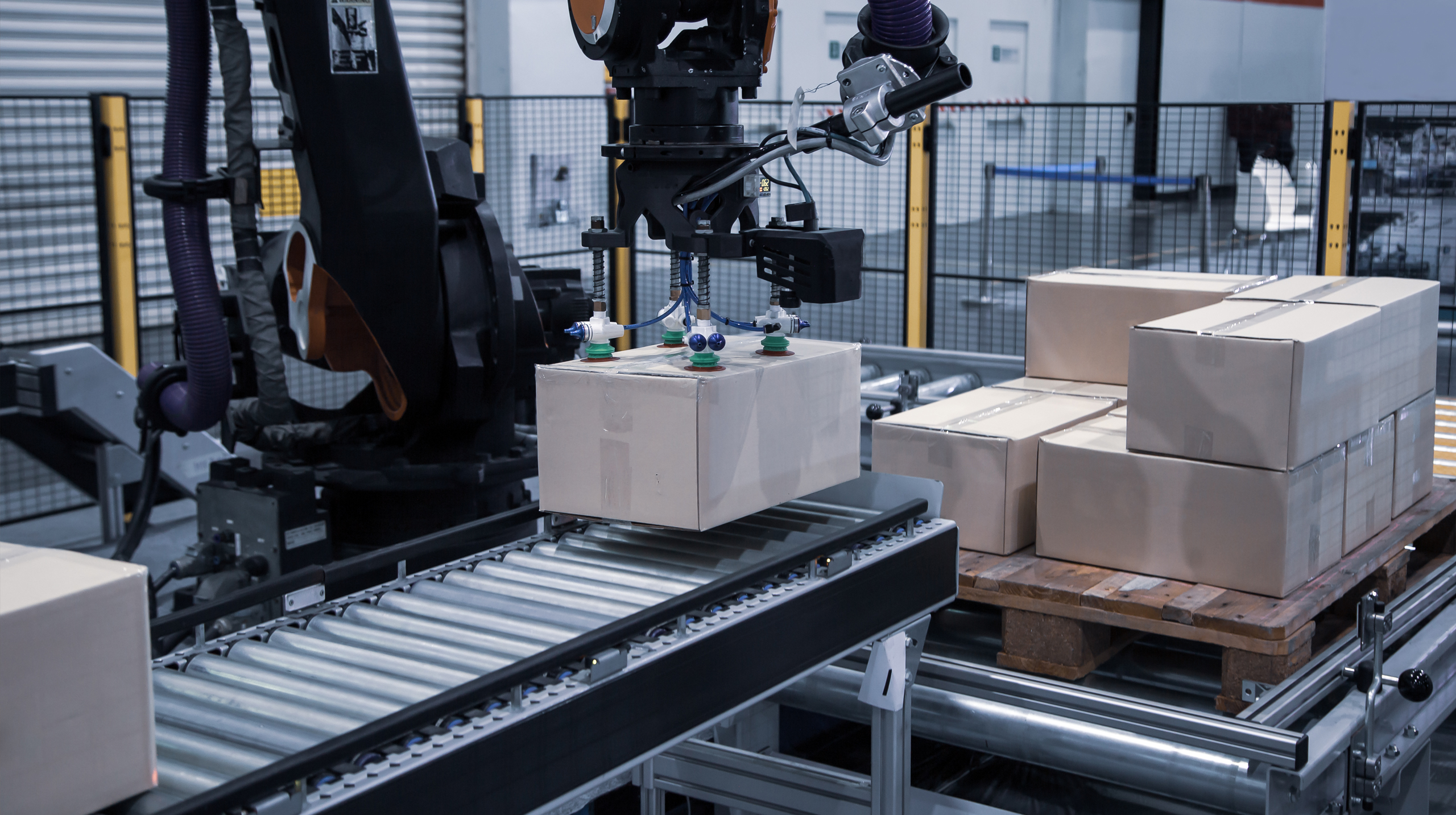
  • Palletising and depalletising
  • Product picking
  • Internal transportation
  • Order fulfilment
  • Pallet handling

Autonomous Mobile Robots (AMRs) and Automated Guided Vehicles (AGVs) can transport products throughout facilities with minimal human intervention.

Within the UK cold chain, these technologies offer an additional advantage by reducing the amount of time employees need to spend working in temperature-controlled environments.

For growing businesses, robotics provides a scalable solution that supports increased demand without requiring proportional increases in workforce numbers.

AI-Driven Energy Management

Energy is one of the largest operating costs within the UK cold chain.

As electricity prices continue to fluctuate, businesses are looking for smarter ways to manage consumption. Artificial Intelligence is beginning to play a significant role.

AI-driven systems analyse historical data, weather forecasts, occupancy levels and operational trends to identify opportunities for energy optimisation.

Applications include:

  • Predictive cooling strategies
  • Dynamic temperature optimisation
  • Automated fault detection
  • Smart load management
  • Off-peak energy utilisation

The result is improved efficiency, reduced operating costs and greater control over energy expenditure.

For cold storage operators managing large refrigeration systems, even small efficiency gains can deliver significant long-term savings.

What Can the UK Cold Chain Learn from Major Automation Projects?

The automation journey being undertaken by major retailers and distribution operators offers valuable lessons for cold storage businesses.

Successful automation projects are not simply about introducing new technology. They are about creating a connected operation where automation systems, electrical infrastructure, control panels, software and operational processes work together.

At Aldi’s Bardon Distribution Centre, automation was used to improve warehouse efficiency, increase throughput and support future growth. Across the UK cold chain, businesses are pursuing many of the same objectives.

The difference is that cold storage operators must achieve these outcomes while maintaining strict temperature control, managing high energy costs and protecting product integrity.

This makes reliable electrical infrastructure even more critical to success.

Preparing Your Cold Store for Automation

Many businesses assume automation starts with robots or software. In reality, it starts with infrastructure.

Whether you are considering a full warehouse automation project or introducing monitoring and control systems incrementally, your electrical systems must be capable of supporting future growth.

Key considerations include:

  • Available power capacity
  • Power quality
  • Network infrastructure
  • Control system integration
  • Future expansion requirements
  • Operational resilience

Investing in the right foundations today can help avoid costly upgrades and operational disruption in the future.

Supporting the Future of the UK Cold Chain

UK cold Chain Automation

As automation continues to transform the UK cold chain, electrical infrastructure is becoming increasingly important.

From automated warehouse systems and robotics to monitoring platforms and intelligent control systems, every technology relies on reliable power, connectivity and integration.

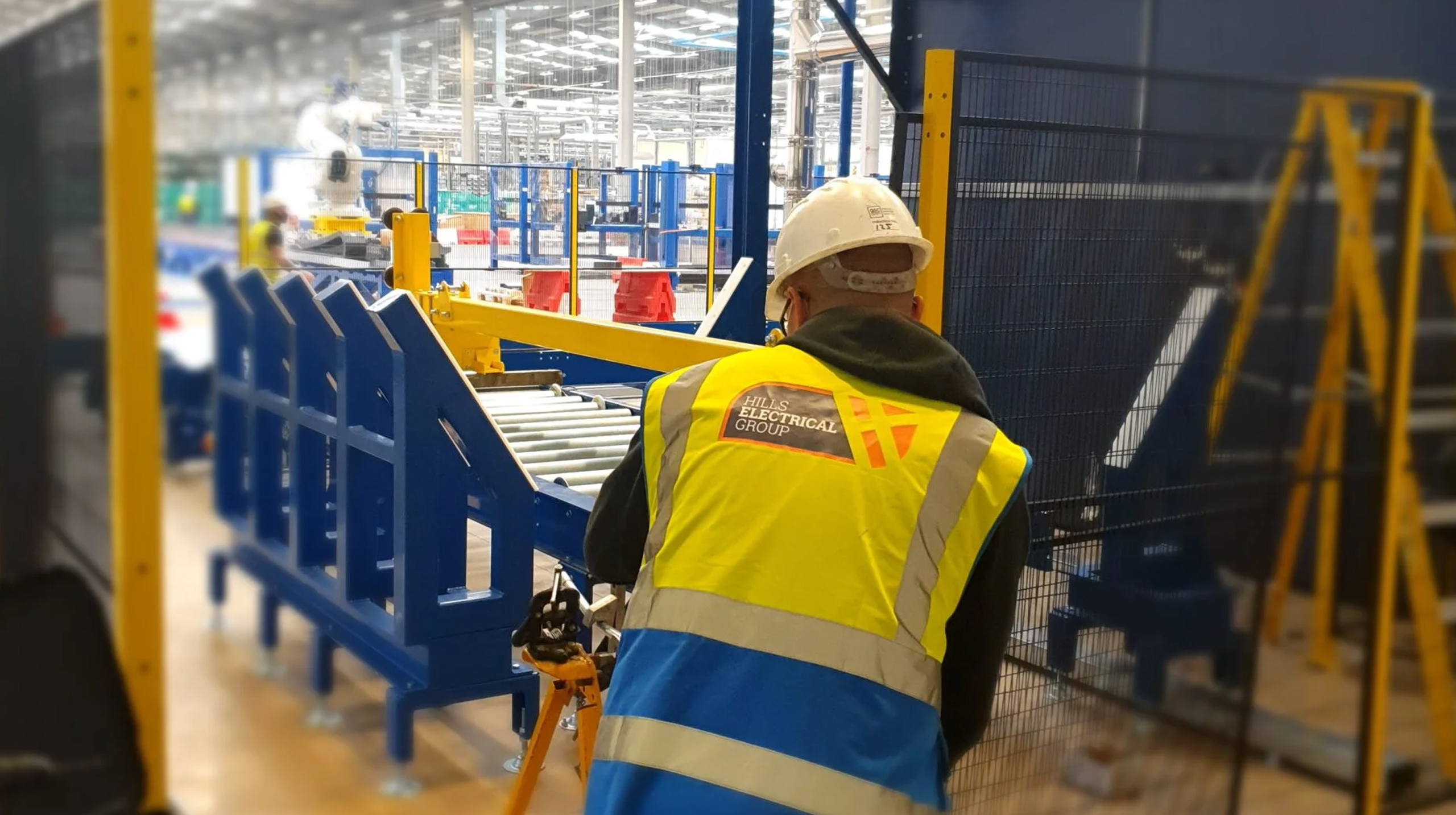
At Hills Electrical Group, we help businesses across the UK cold chain design, manufacture and install the electrical infrastructure required to support modern automation. From control panel manufacture and PLC programming to power distribution and system integration, we provide the expertise needed to deliver reliable, future-ready solutions for temperature-controlled environments.

Looking to Modernise Your Cold Storage Operation?

Whether you’re planning an AutoStore installation, introducing robotics, upgrading monitoring systems or preparing for future automation, Hills Electrical Group can help.

Our team has experience supporting complex warehouse automation projects, including automated warehouse picking systems for major distribution environments. We understand the electrical infrastructure, control systems and integration requirements needed to deliver successful automation projects.

Contact Hills Electrical Group today to discuss your UK cold chain automation project and discover how the right electrical infrastructure can support long-term operational efficiency, resilience and growth.

Get in touch today by calling 01384 671660 or email info@hillsgroupuk.com

© HILLS ELECTRICAL CONTRACTORS LTD TRADING AS HILLS GROUP 2026
Website by: eighty3